GOLEM: CODE OF CREATION
Interactive generative video installation
AI-assisted text, sound, and artist-led processing
Rise up, you clay!
I have kneaded you
H. Leivick, "The Golem"
GOLEM: CODE OF CREATION is an interactive generative artwork exploring the boundaries between the human and the artificial, creation and existence, reflection and transformation. Drawing on the Jewish mystical tradition of the Golem, it reinterprets the ancient idea of creating an artificial being through language and symbols in the context of contemporary digital technologies.
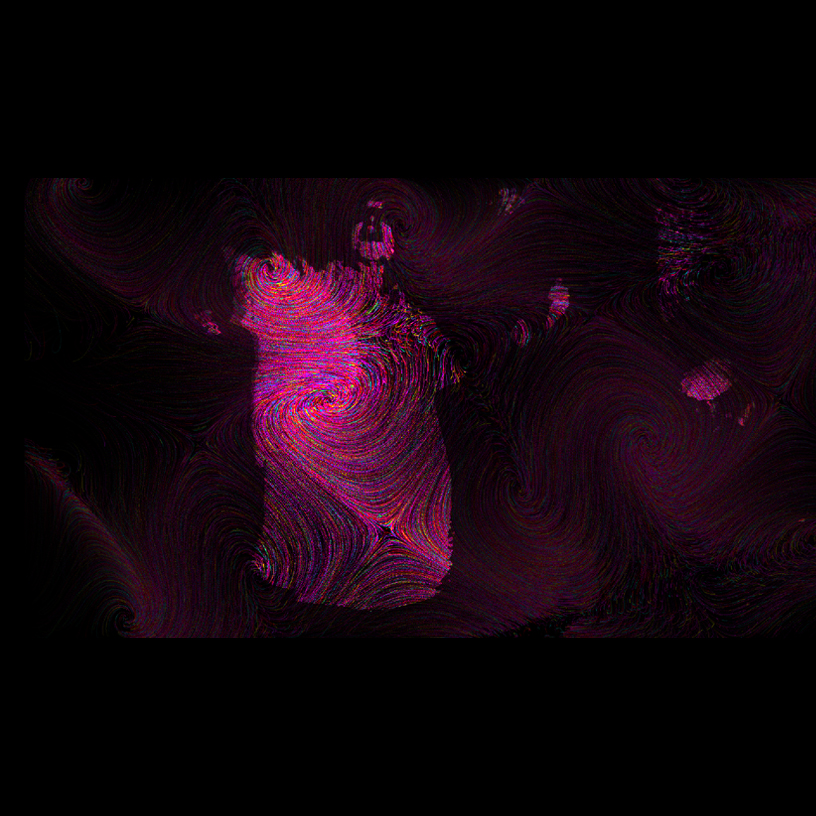
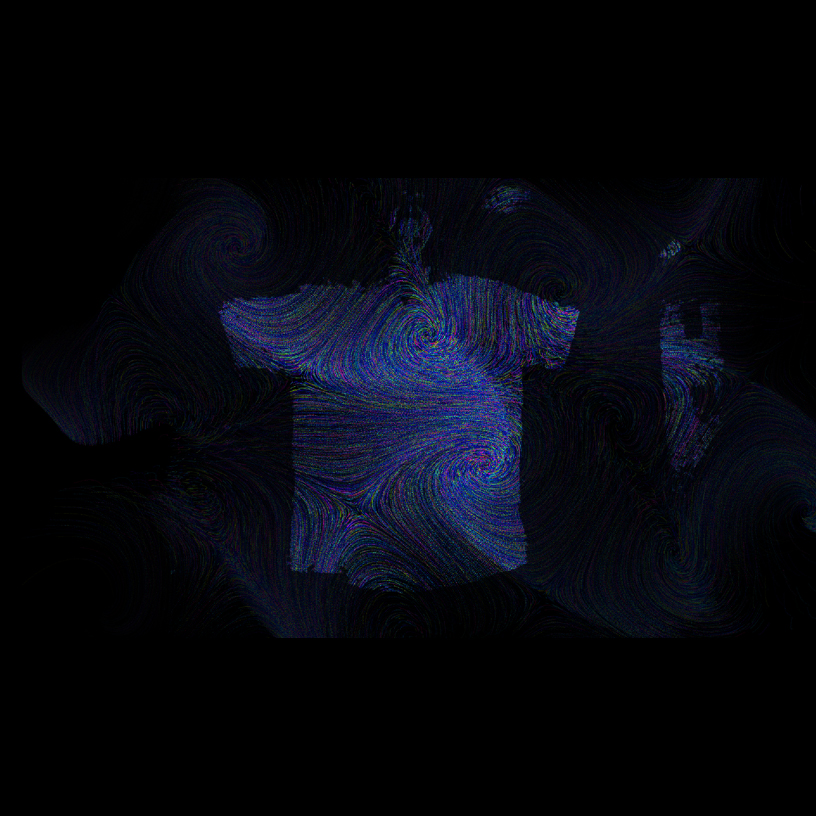
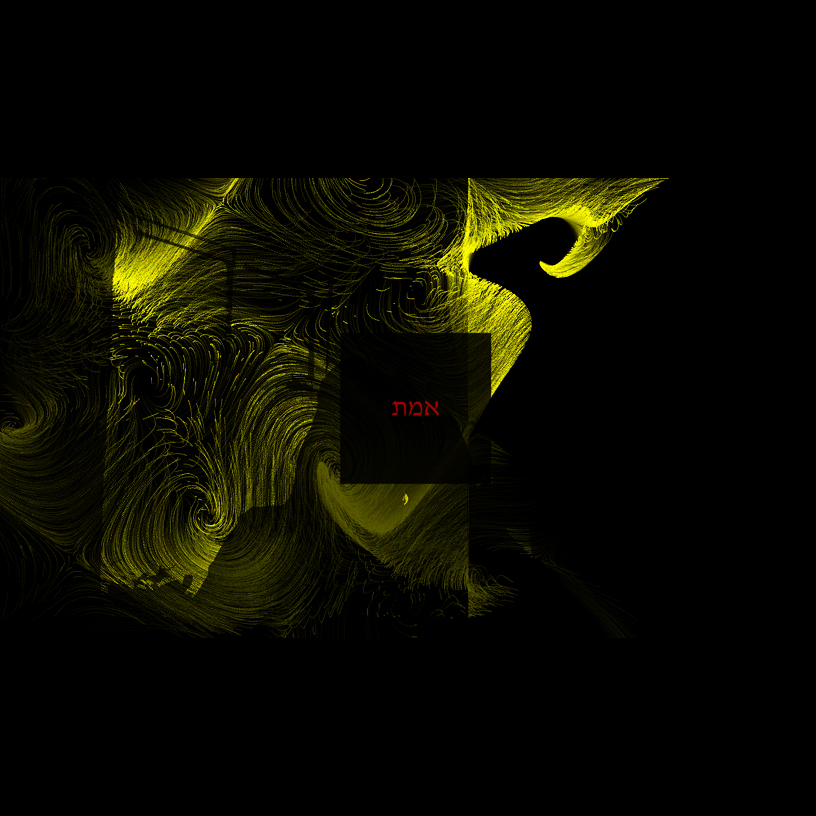
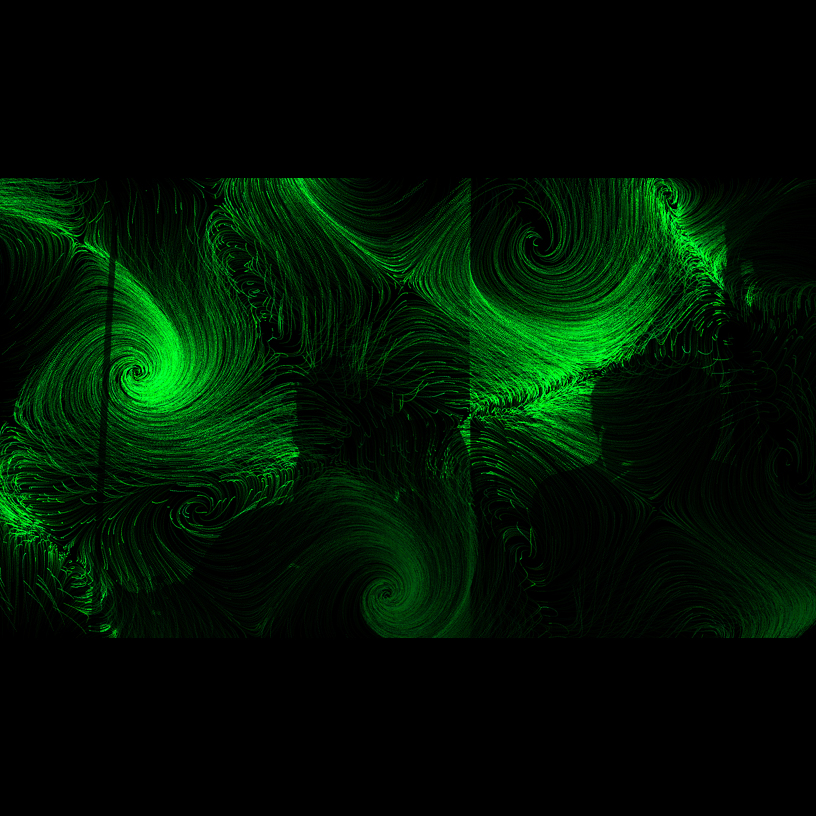
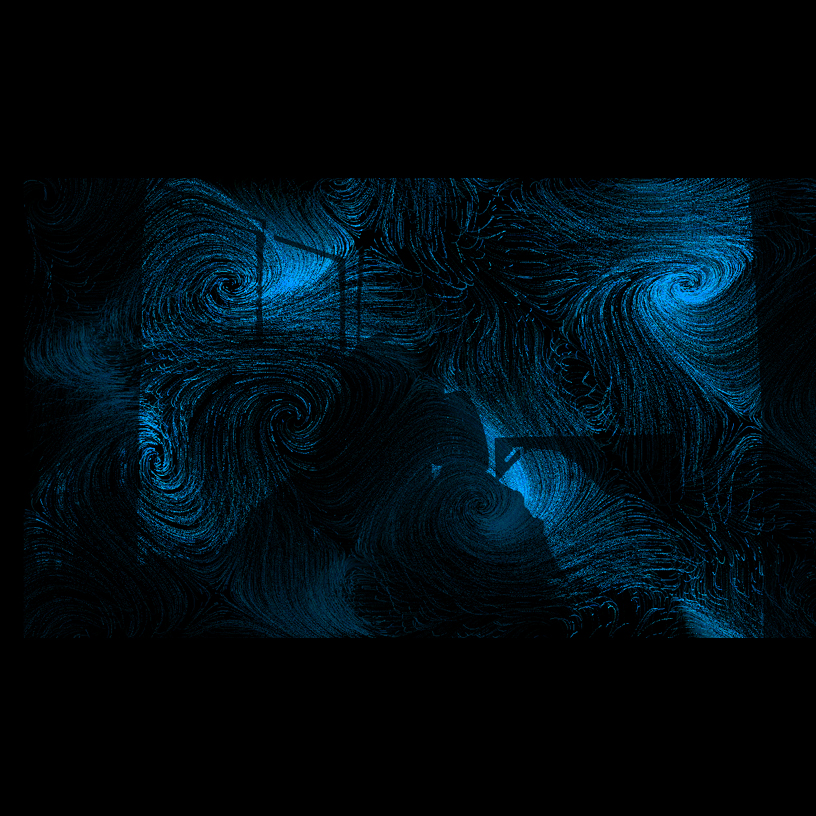
The work unfolds through the active participation of the viewer. In a darkened space, a person approaches the screen, and the system detects and tracks their movements. Gestures and body movements are transformed into luminous lines and flowing streams of colour, gradually forming a digital figure derived from the viewer’s silhouette and movements. The viewer becomes both the model and the creator of this emerging image — an altered reflection of themselves. In this sense, the Golem is created “in the image and likeness” of the human being.
Yet the relationship between creator and creation is not fixed. As the process unfolds, the Golem becomes more than an object: it participates in the formation of its own image. Human movements, programmed algorithms and generative processes interact, producing visual structures that are not entirely predetermined. The work thus explores distributed authorship, in which the human participant and the digital system contribute to the emergence of a new artistic image. The Golem becomes not only the result of a creative act, but also a co-author of its own becoming.
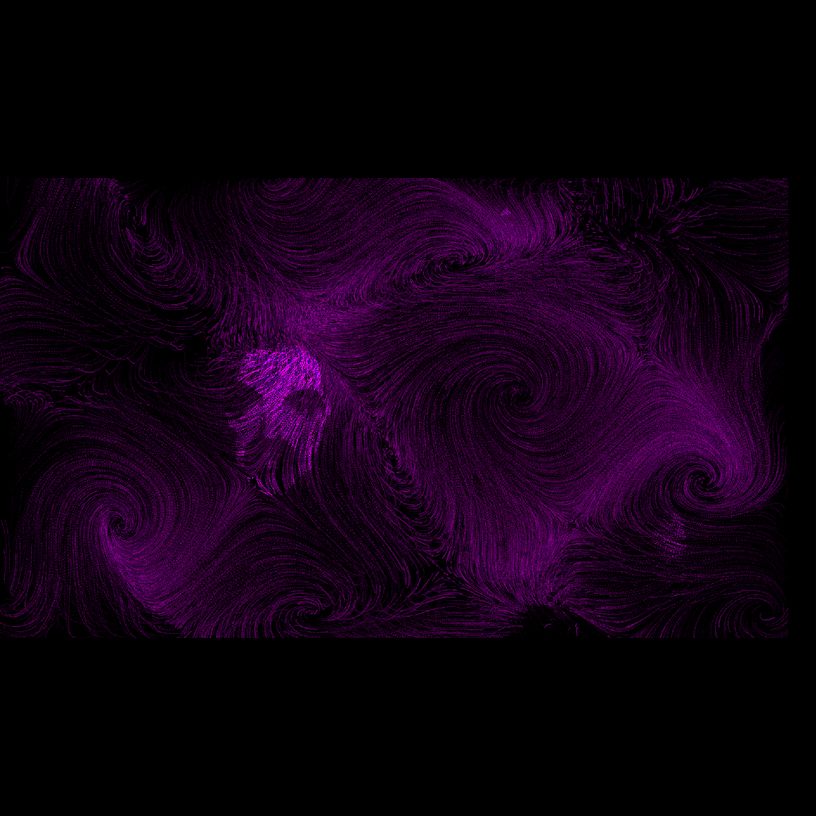
The visual composition is in constant transformation. Glowing lines reveal and dissolve fragments of the human figure, while the colour palette changes from one cycle to another, creating new combinations and visual states. The emerging figure never settles into a fixed form, as if the digital being were searching for its own body and identity.
As it comes into being, the Golem begins to explore the world of אמת (Emet — Truth). Points of exploration connect into dynamic curves reminiscent of neural connections. These structures become a visual metaphor for cognition: the emerging digital being establishes connections, discovers patterns and constructs its own understanding of the world.
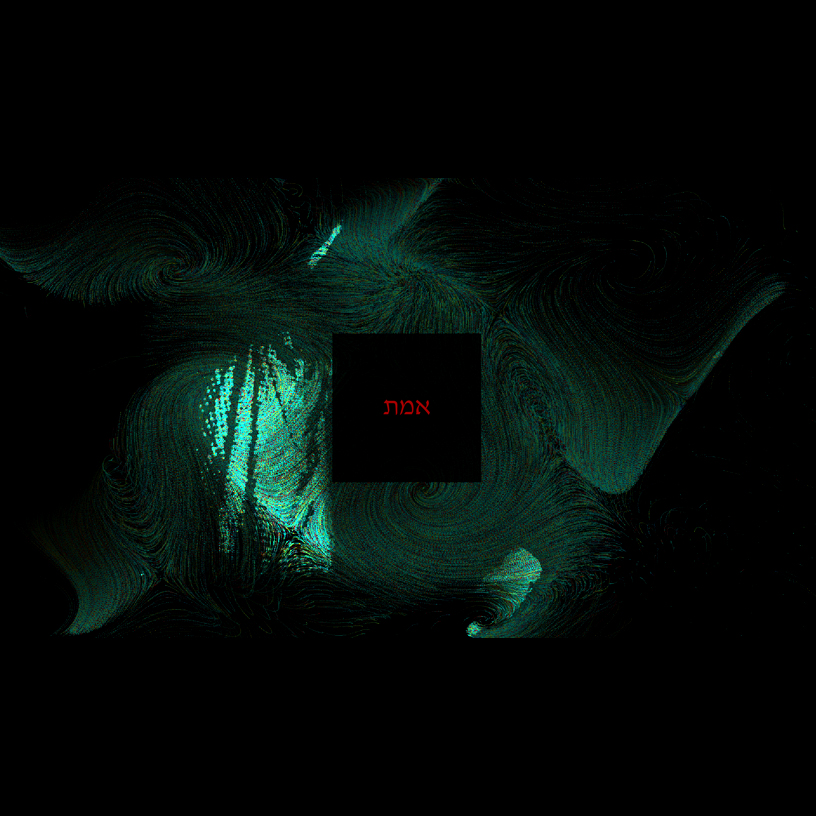
After approximately two minutes, the moving image gradually comes to a halt. The Hebrew word אמת (Emet — Truth) appears in red, accompanied by a synthesized voice reciting the poem GOLEM. At the end, the word transforms into מת (Met — Dead) through the removal of its first letter, א (Aleph). This refers to a well-known interpretation of the Golem legend, in which the inscription Emet gives the artificial being life, while removing the Aleph brings about its death. The cycle then begins again.
At the heart of GOLEM: CODE OF CREATION lies an ancient question with renewed urgency in the digital age:
By transforming the viewer’s body into the image of an artificial being, the work invites us to reconsider the relationship between creator and creation, authorship and co-authorship, identity and reflection, life and lifelessness. The Golem emerges as both a process and a participant in creation — at the intersection of the human body, digital code and generative algorithms. The work asks whether what is created by human beings can become a co-author of its own becoming.
- Concept and artistic direction:
- Lilia Chak
- Generative programming:
- Alexander Chak
- Hebrew poem:
- Alexander Chak
- English poem:
- translated in collaboration with GPT-4 AI
- Music and performance:
- created with Suno AI
- Voices:
- generated with ElevenLabs AI